Wilding Gardens Conference
Jan 15–16.2026 in Manchester
Organized by Charlie Burrell, Charlie Harpur, James Hitchmough, Adam Hunt, Tom Stuart-Smith, Isabella Tree, and Lulu Urquhart.
On the eve of the "Wilding Gardens Conference" in Manchester, I treat myself to a cup of tea in a café overlooking Whitworth Park. Two well-fed grey squirrels chase each other around a tree stump; they seem a bit sluggish and clumsy compared to the nimble red squirrels I am used to in Germany. I recall English friends telling me that red squirrels have become a rarity in this country, almost completely displaced by the invasive greys. A fitting, if wistful, introduction, I think to myself—and indeed, the conference begins the next day with a lecture by Craig Bennett, who immediately sets a frame of urgency.
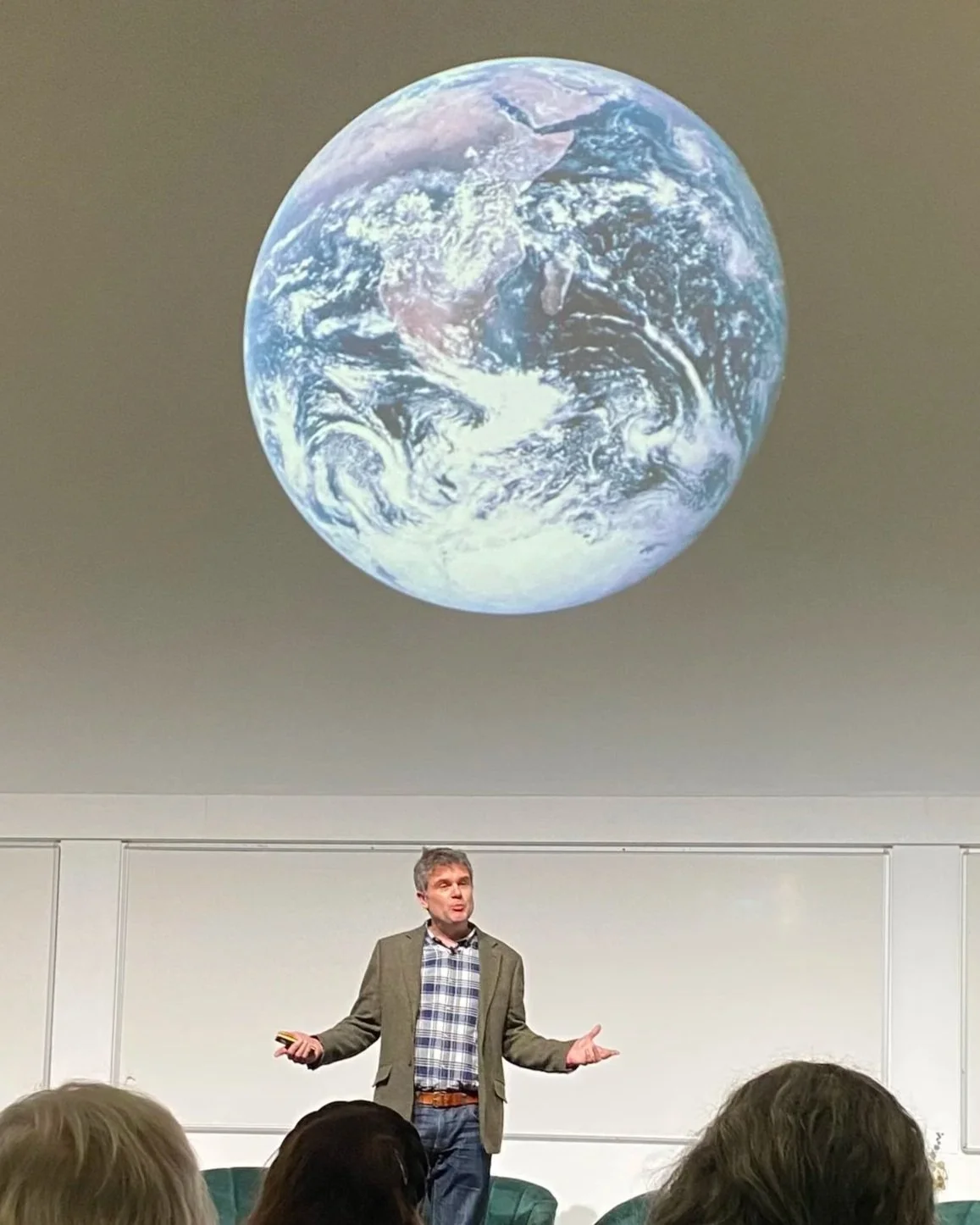
Behind him on the screen shines the "Blue Marble." It is that iconic image of Earth from space that once marked the starting point of the modern ecological movement, reminding us of our finite planetary boundaries. This is followed by colorful bar charts—the "Warming Stripes"[1]—illustrating global warming over time. Further graphics show the rapid increase in the extinction risk of various species—a flood of numbers painting a bleak picture[2]. These are facts we know, yet manage to successfully suppress from our consciousness time and again. Bennett speaks of the massive loss of biodiversity[3], the failure to meet any climate targets, and the devastating consequences of industrial agriculture. But his analysis goes further: we are not just in a climate crisis; we are in a crisis of disconnectedness from nature. The time children (and presumably we adults) spend outdoors is continuously shrinking. Above all, however, we suffer from a crisis of "Personal Agency"—the belief that one's own actions can bring about tangible change. The sense of powerlessness that arises in the face of the task's magnitude leads all too easily into both private and collective denial.
From Despair to Hope: The Knepp Example
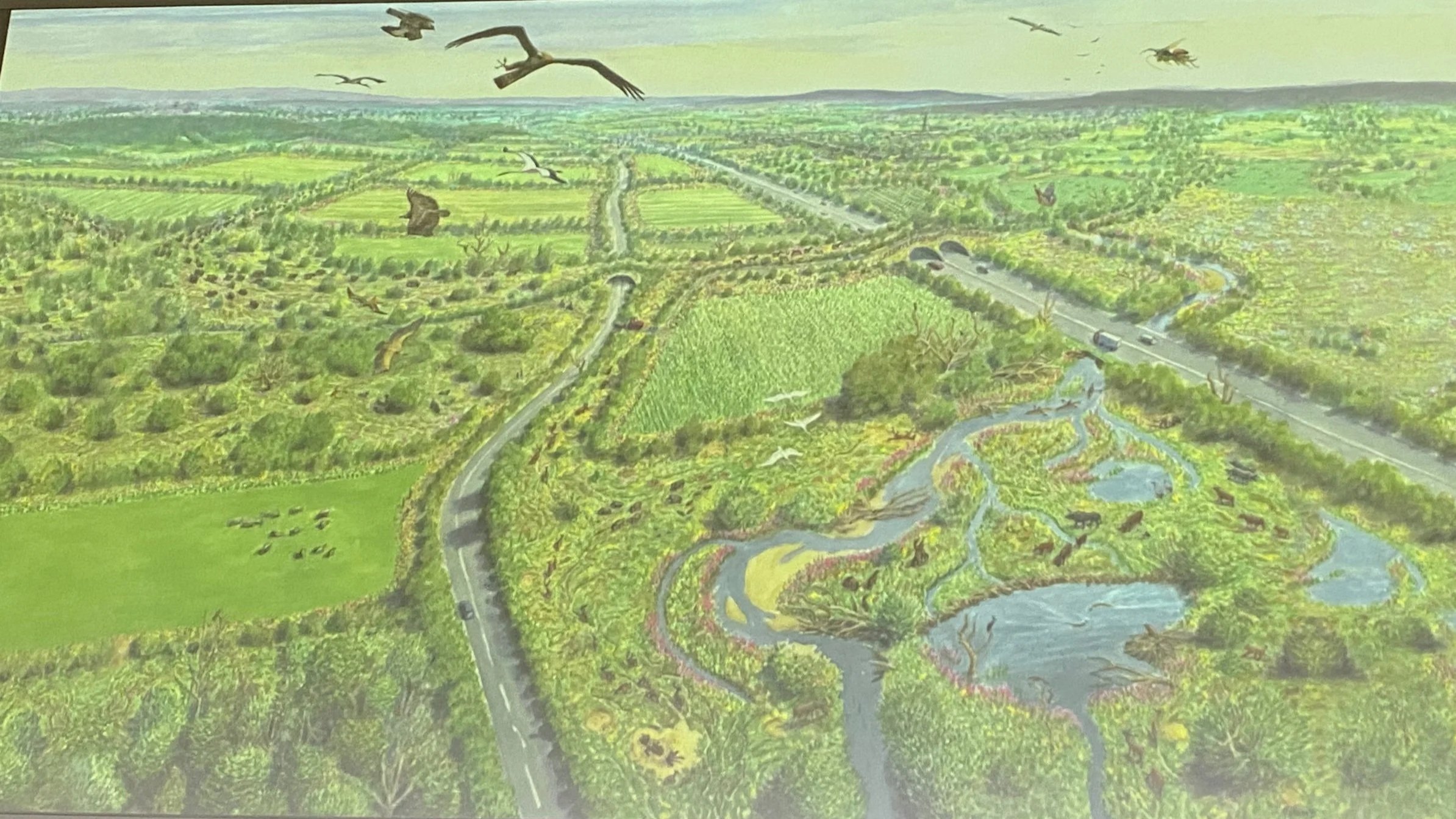
But before hopelessness can entirely fill the room, Isabella Tree takes the stage. She reports on the wondrous transformation at the Knepp Estate. 3,500 hectares of former farmland, its soil depleted to the point of uselessness by industrial agriculture, was transformed into a vibrant oasis in a rewilding project inspired by Dr. Frans Vera. "They found us"—that is how Isabella Tree describes the almost magical appearance of endangered insects and birds shortly after they introduced free-roaming herbivores like Longhorn cattle. This message of hope shows that change is possible even on "soil ruins." You can literally feel the mood in the hall transform into a thirst for action.
Here, gardens take center stage. The total garden area in the UK is larger than all its parks combined; they hold invaluable potential. While E. O. Wilson, in his book Half-Earth, called for 50% of the planet's surface to be given back to nature, Dr. Katherine Baldock supports this with facts: her studies show that the proportion of pollinators in urban areas is often significantly higher than in the countryside. A large part of the nectar supply today is found in gardens.
A New Aesthetic: The Walled Garden
However, a paradigm shift in cultural aesthetics is required—a shift in our conception of how gardens should look. At Knepp, the walled private garden, under the direction of Tom Stuart-Smith and James Hitchmough, was transformed from a conventional lawn into a complex, highly biodiverse ecosystem that remains aesthetically pleasing. 400 tons of sand and construction rubble were piled onto the former croquet lawn. This deliberate creation of unevenness and nutrient-poor substrates generates small-scale habitats for a wide variety of animal and plant species.
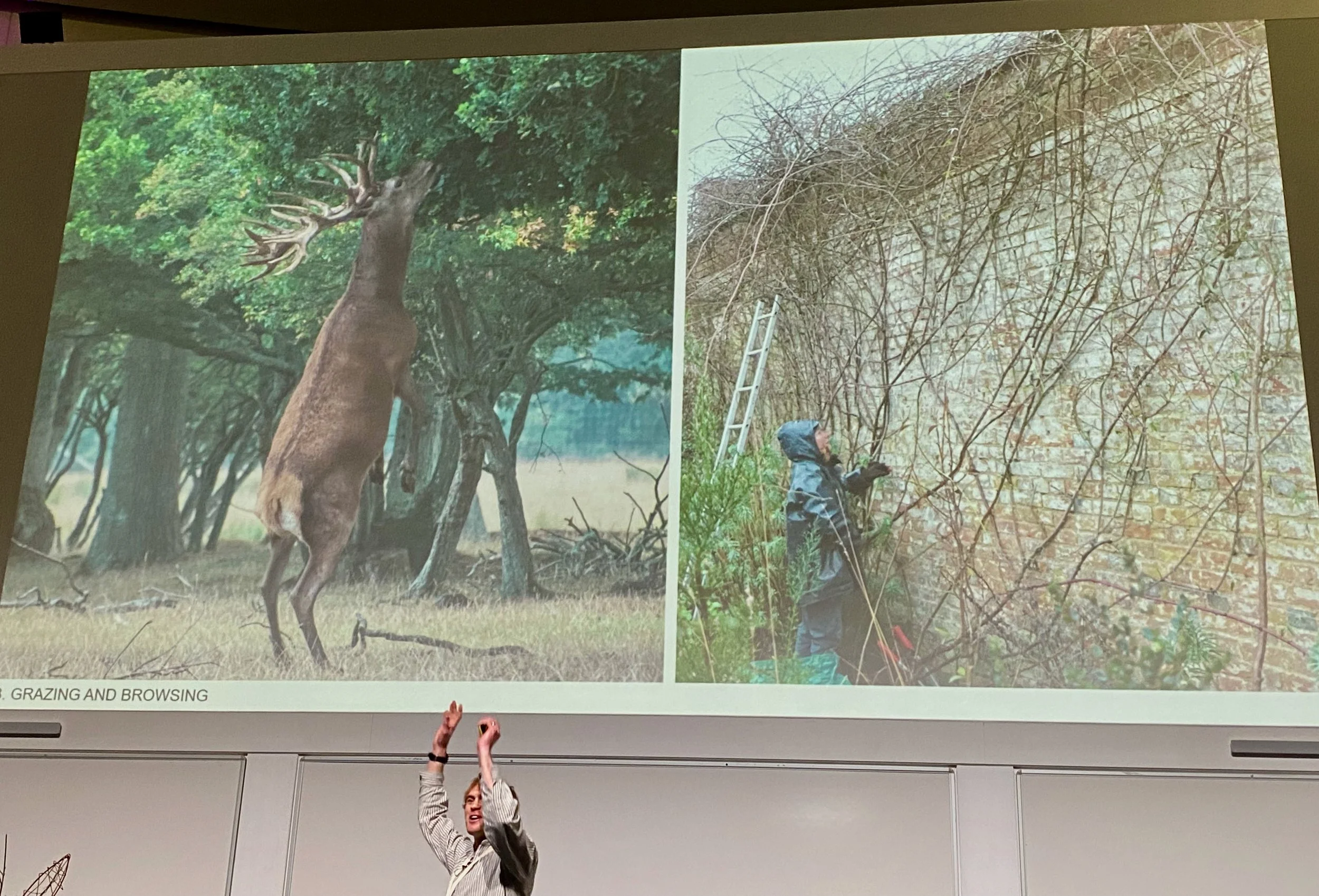
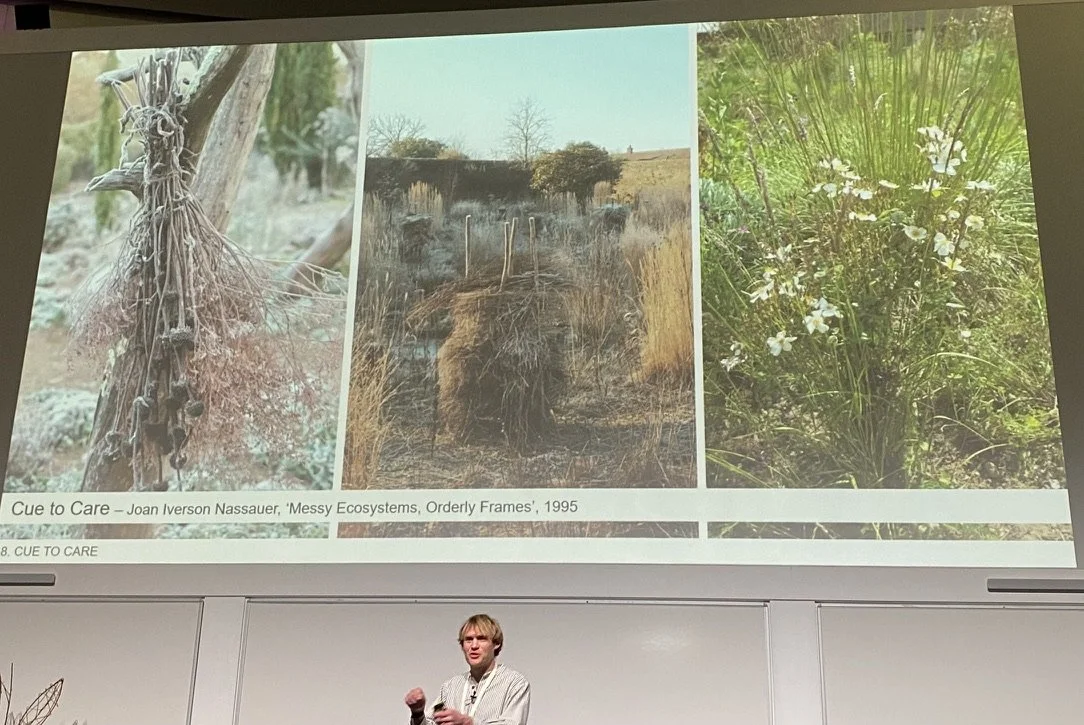
Charlie Harpur, the Head Gardener, describes how his team works. They view the garden as an ecosystem in a constant state of flux. While traditional gardeners often try to maintain a static ideal state, Harpur and his team mimic the dynamics of the wilderness. Their interventions imitate the herbivores of the rewilded areas of Knepp. Instead of a radical cutback in winter or spring, which destroys all insect refuges in one fell swoop, maintenance here is an ongoing, granular process. The gardeners "nibble, graze, and trample," just as the wildlife would on the large expanses of Knepp. And yet, it remains a garden that follows aesthetic standards. A balance of up to 1,000 plant species, selected with global warming in mind, is maintained through targeted, constant intervention. A crucial design tool here are the "Cues to Care"[4]—indications of the tending hand. It is the framing that skillfully arranges the wild, the chaos, and the decay, thus distinguishing "nature" from "garden": be it kept paths, artfully interwoven grasses, or bundles of seed heads decoratively hung from a pile of prunings.
An ecological audit at the start of the project makes its success measurable. In just three years, the number of species has increased by 34%. The Walled Garden at Knepp is now home to 434 insect species (some nationally rare), and every year new bird and bat species find their way into the garden.
Complexity and Diversity at Great Dixter
Fergus Garrett, Head Gardener of the legendary Great Dixter garden, also dedicated his lecture to the relevance of complexity. Surprisingly, a scientific study[5] found the highest density of insect species not in wildflower meadows with native plants, but in the intensively curated, highly aesthetic garden areas. Garrett emphasized that they do not choose plants based purely on ecological utility, but on aesthetic criteria. He attributes the fact that such a valuable habitat nevertheless emerges to two fundamental principles: diversity and complexity.
This begins with the type of planting at Dixter. In dense layers, a wide variety of plants share the same habitat. One flowering phase is succeeded by the next, providing insects with food from early to late in the year, with native and exotic plants playing an equal role. Other success factors for this biodiversity include:
Varied topography: Diverse microclimates in the garden offer niches for specialized species.
Structural diversity: Old walls, sheds, and deadwood are understood as valuable habitat building blocks.
Consistent avoidance of chemicals for over 18 years.
Diversity of management: Disturbance of the soil in the beds creates different habitats than the completely untouched areas.
Ultimately, says Garrett, it is the combination of decades of loving care and the joy of creative experimentation that transforms Great Dixter into a pulsating ecosystem.
The Beaver as Eco-Engineer
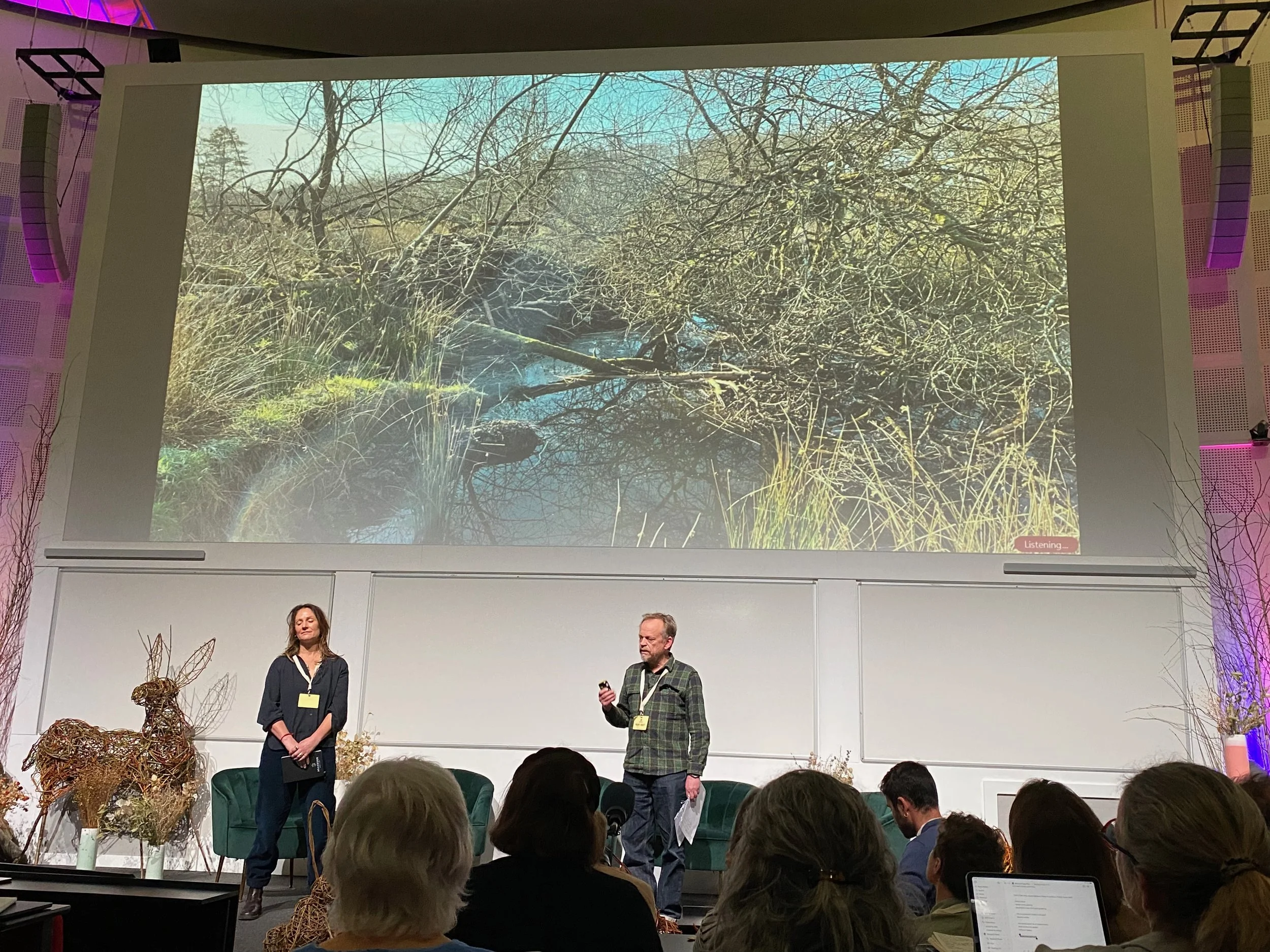
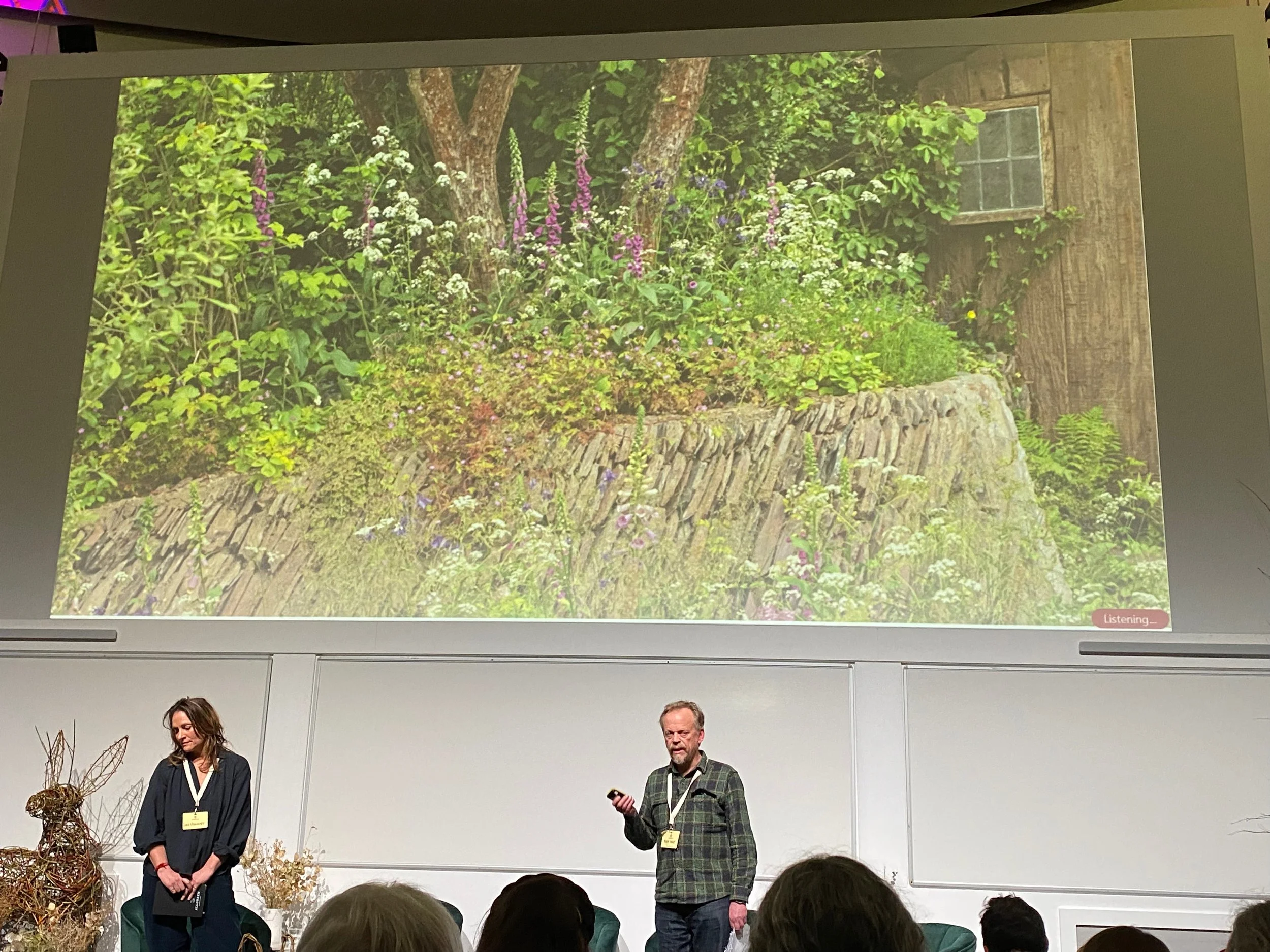
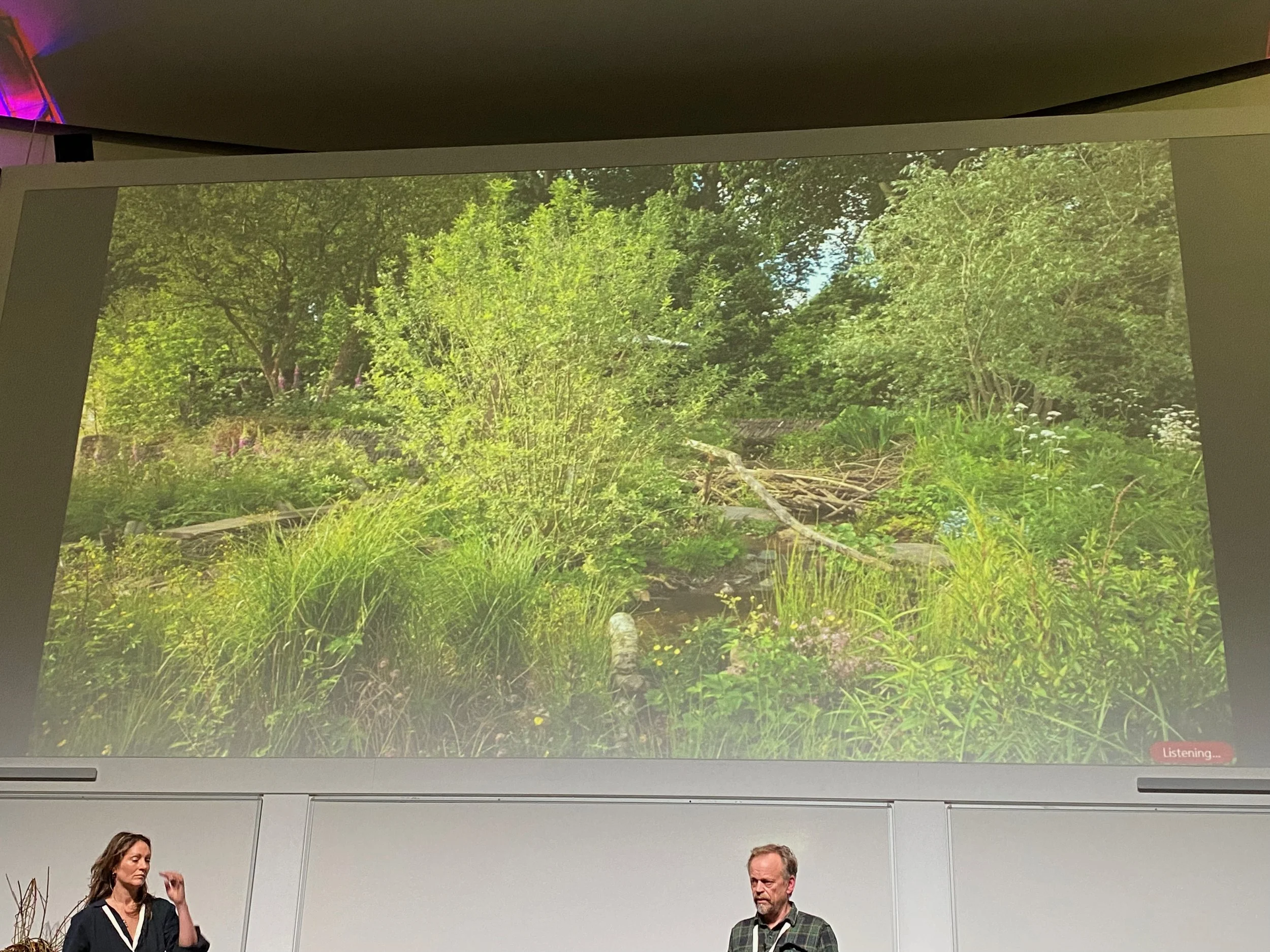
Another facet of complexity was presented by Urquhart & Hunt with their show garden "A Rewilding Britain Landscape," designed for the 2022 Chelsea Flower Show. The garden, which won Gold and "Best in Show," simulated a natural beaver ecosystem in South West England, where a keystone species improves habitat for countless other plants and animals.
The designers view the beaver as an "eco-engineer" that regenerates alluvial forests, mitigates flooding, and creates new habitats by slowing down watercourses. The show garden mimicked a stream dammed by a beaver, creating a valuable wetland. Instead of exotic plants, only native ones were used; there was a dry stone wall, deadwood, and old leaves. An accompanying soundscape[6] made the experience of an intact beaver landscape acoustically tangible. The project demonstrated to an audience of millions that true ecological complexity also includes a certain amount of chaos, decay, and death—and draws new life from exactly that.
Water: From "Grand Illusion" to Rain Gardens
Another central theme of the conference was the management of water—the extreme oscillation between scarcity and abundance. James Hitchmough offered sharp criticism of our deeply rooted cultural ideal of the "lush" garden. We prefer to plant mesophytes (plants with medium water requirements) that naturally occur in damp marginal zones. He bluntly described the fact that we see watering as a necessary expression of care as a "Grand Illusion."
Hitchmough criticized the fact that neither the range in plant catalogs nor the knowledge in textbooks has sufficiently adapted to climate change. It is often tacitly assumed that water shortages are simply compensated for by irrigation. But this leads to a problem: even if drought-resistant species are mixed with thirsty mesophytes, the weakest plants always dictate the irrigation regime. His conclusion: we need not only new knowledge about actual water requirements but also a new aesthetic that functions without artificial life extension via the watering can.
Wendy Allen explained how we can use rainfall more effectively. She advocated for so-called "Rain Gardens," which help relieve the sewage system during flash floods. Essentially, all that is needed is a shallow depression in well-drained soil that allows rainwater to collect there and gradually seep away within 12–24 hours. She demonstrated how aesthetic such a solution can be with her award-winning project "The Rain Chain" (RHS Hampton Court 2009)[7]. Here, excess rain flows from a greened carport roof via a chain directly into the catchment area. It is only important to use plants whose roots can tolerate being in the wet for longer periods.
Erica McAlister illuminated the importance of water from a completely different, charming perspective: she gave a passionate declaration of love for flies, and particularly for the hoverfly as an indispensable pollinator. Since their larvae are strictly dependent on standing water for their development, she (like many other speakers) "prescribed" a pond for every garden.
Jason Williams, known as the "Cloud Gardener," proves that lack of space is no excuse. He consistently implements this concept on his balcony. After discovering that hoverflies were his most important pollinators, he installed three mini-ponds. One of them even houses fish, which naturally keep unwanted mosquito larvae in check.
A Reality Check: The War on Nature
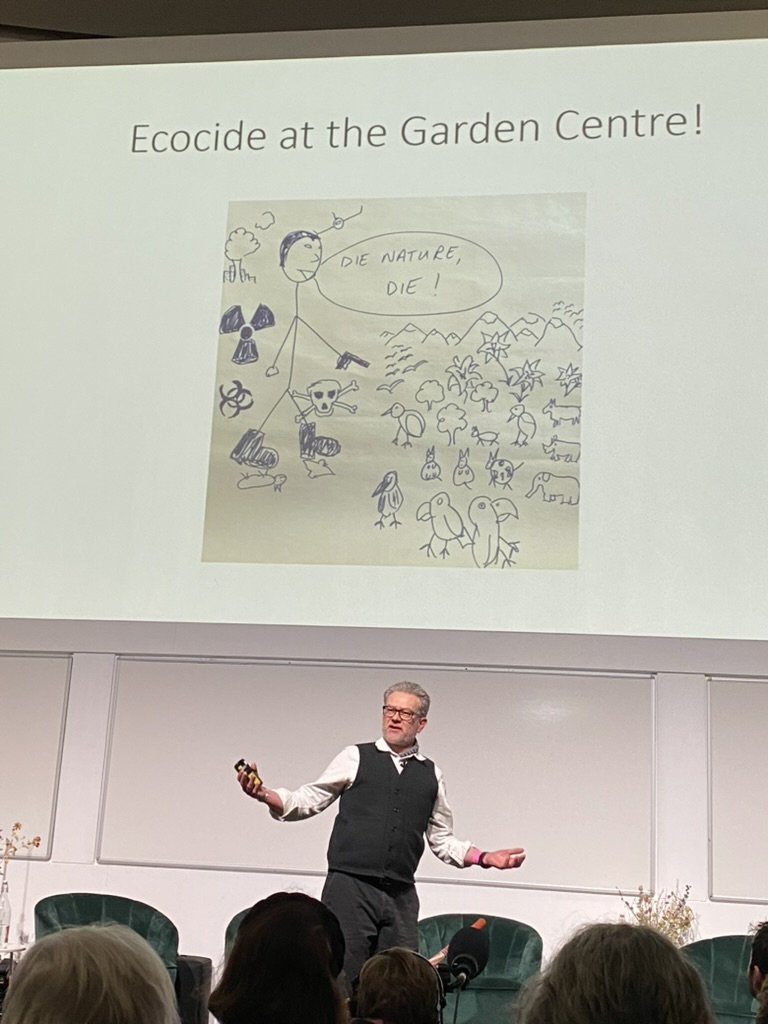
Mike Edwards provided a deliberate break from the euphoria. He provoked the audience by stating that he has never understood gardeners, as in his eyes, they are in a constant war with nature—a fact to which the arsenal of pesticides and herbicides in garden centers bears witness. The fact that we even need a term like "Rewilding" today is, for him, evidence of the ecological mess we are in. As a musician, he suggests a shift in perspective—or rather, a shift in senses—from the eyes to the ears. The question then becomes: "What should our gardens sound like?"
Dale Gulson deepened the toxic reality behind this question. While about 500 pesticide active ingredients are approved in the EU, there are over 5,000 in the USA; in many other parts of the world, the situation resembles the "Wild West." The madness of it: highly toxic agents that have long been banned in the EU continue to be produced here for export. We then simply import them back via cheap agricultural products[8]. But the poison also lurks where we least expect it. Fipronil, for example, is banned as a pesticide in agriculture but is found in "spot-on" treatments against ticks in dogs. If the treated dog jumps into a river or lake, it carries the active ingredient directly into the water. Particularly insidious: even perennials declared as "bee-friendly" from conventional garden centers can be contaminated with systemic insecticides, making them a deadly trap for the very insects they are meant to help.
Connection: From Weald to Waves
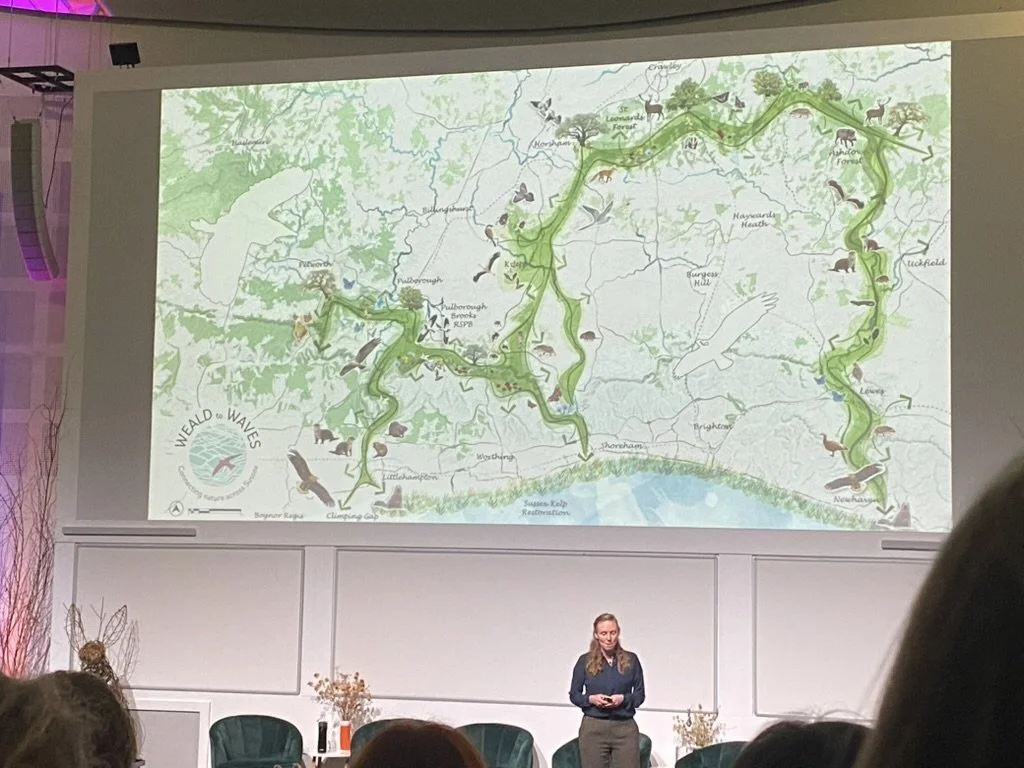
Another theme that ran like a red thread through almost all lectures was connection. We must learn to no longer view our own gardens in isolation, but as part of a larger whole. It is essential to build corridors that create conditions for wildlife to move safely, find food and shelter, and simply survive.
Libby Drew, Director of the Knepp Wildlife Foundation, reported on the impressive "Weald to Waves" project[9]. In Sussex, they have succeeded in creating a 160-kilometer (100-mile) nature corridor from a network of over 150 farmers and over 1,000 gardens and green spaces, leading through the fragmented landscape. Drew emphasizes the importance of data collection. All participants are invited to collect data, photograph sightings, and share their experiences to learn together and document progress. In this way, not only a physical corridor is created, but also a learning community.
Another ambitious project, though still in its infancy, is called "Cyanlines"[10]. They also want to create corridors, but in the city of Manchester. Steve Connor outlined the vision of a world where you can walk through the city and always be surrounded by the green of plants and the blue of water.
The Human Component: Overcoming the Crisis of Agency
It is not just the connections between green spaces that matter. It is also about the connection of people to nature and to one another.
Joe Perkins and Philippa Reece from Sheffield Park spoke about how important exchange is. They have to ask themselves how they can lead the historic landscape park into the future. Many of the old trees will no longer be able to adapt to changing environmental conditions. This is not just a horticultural challenge, but a psychological one. They must actively engage visitors and explain why the familiar landscape is changing radically in some places.
Many Head Gardeners report on "Yours sincerely" letters, as Fergus Garrett calls them—complaints about "untidiness" and "neglect." Sheila Das emphasized how important it is to recognize the limits of people's ability to accept change and to meet them where they are. But there are also the "Grief Letters"—letters of despair and pain over the loss of nature.
Experiencing community helps against the "Crisis of Agency." Richard Scott told of projects where residents together transformed a wasteland into a wildflower meadow—small seeds, big results. John Willshire reported how an attempt with his children to photograph animals in the garden using a self-built camera ended in a neighborhood WhatsApp group where photos of birds and insects are now shared. This, in turn, motivated many residents to integrate shelter and food sources into their own gardens.
To counteract "Shifting Baseline Syndrome," Ana Gilchrist implements rewilding projects in schools. This refers to the creeping loss of knowledge about what intact nature actually looks like. Gilchrist illustrates this with an example: while our grandparents might still have encountered a hedgehog daily, it was already rare in her generation, and many children of today's generation have never seen a wild hedgehog. For most readers, an insect-splattered windshield is still part of holiday memories; for today's generations, this already sounds like a myth of days long past. Children are involved in the process of "rewilding" because they know their playgrounds best. They know, for example, where the water stands in winter and which location is therefore best suited for creating a pond. In this way, interdisciplinary learning about nature can take place and be continued through observation. The inherent love of nature, which is greatest in small children, is nurtured and utilized.
These small success stories, the exchange, and the experience of community awaken people's hope and can encourage them to become active themselves.
You can find recordings of some talks on the website of the conference: https://www.wildinggardens.co.uk/
This article was published in German in: Der Staudengarten – Magazin der Gesellschaft der Staudenfreunde e.V, 3-2026
Global warming diagram, the famous "Warming Stripes": https://showyourstripes.info/↩︎
State of Nature Report UK: stateofnature.org.uk. EU equivalent: European Environment Agency (EEA) report "State of Nature in the EU."↩︎
See the Biodiversity Intactness Index (BII) of the Natural History Museum, e.g., on https://resourcewatch.org/↩︎
A concept by Nassauer, Joan Iverson (1995): "Messy Ecosystems, Orderly Frames." In: Landscape Journal 14(2), pp. 161–170.↩︎
Great Dixter biodiversity Audit 2017-2019, prepared by Andy Philips for the Great Dixter Charitable Trust.↩︎
Soundscape of the Rewilding Garden by Urquhart & Hunt: https://soundcloud.com/soundmattersproject/rewilding-britain-landscape-soundscape-by-sound-matters↩︎
See Wendy Allen’s show garden: https://www.wendyallendesigns.co.uk/. Further info on rain gardens at https://raingardens.info/↩︎
"Pesticides: Banned in the EU, exported by corporations" by Silke Bollmohr and Susan Haffmans in: The Corporate Atlas 2026 (Heinrich Böll Foundation).↩︎
Weald to Waves was launched in 2022. https://www.wealdtowaves.co.uk/↩︎